星空影院 星空影院
海报背景
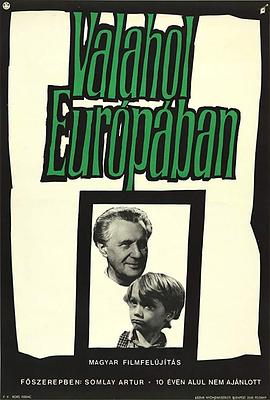
欧洲的某个地方海报图片

欧洲的某个地方

备注 :HD中字
导演 :Radványi/Géza/
更新 :2025-01-13 14:37:04
1948·其它·剧情 ·1948-11-19上映·其它·
立即播放
收藏
9.0
网友评分
  • 很差
  • 较差
  • 还行
  • 推荐
  • 力荐
7.4 74次评分
  • 很差
  • 较差
  • 还行
  • 推荐
  • 力荐
Somewhere in the remote region, the war ends. In the midst of ruined cities and houses in the streets, in rural hamlets, everywhere where people still live, are children who have lost their homes and parents. Abandoned, hungry, and in rags, defenseless and humiliated, they wander through the world. Hunger drives them. Little streams of orphans merge into a river which rushes forward and submerges everything in its path. The children do not know any feeling; they know only the world of their enemies. They fight, steal, struggle for a mouthful of food, and violence is merely a means to get it. A gang led by Cahoun finds a refuge in an abandoned castle and encounters an old composer who has voluntarily retired into solitude from a world of hatred, treason, and crime. How can they find a common ground, how can they become mutual friends The castle becomes their hiding place but possibly it will also be their first home which they may organize and must defend. But even for this, the price will be very high.  To this simple story, the journalist, writer, poet, scriptwriter, movie director, and film theoretician Béla Balázs applied many years of experience. He and the director Géza Radványi created a work which opened a new postwar chapter in Hungarian film. Surprisingly, this film has not lost any of its impact over the years, especially on a profound philosophical level. That is to say, it is not merely a movie about war; it is not important in what location and in what period of time it takes place. It is a story outside of time about the joyless fate of children who pay dearly for the cruel war games of adults.  At the time it was premiered, the movie was enthusiastically received by the critics. The main roles were taken by streetwise boys of a children's group who created their roles improvisationally in close contact with a few professional actors, and in the children's acting their own fresh experience of war's turmoil appears to be reflected. At the same time, their performance fits admirably into the mosaic of a very complex movie language. Balázs's influence revealed itself, above all, in the introductory sequences an air raid on an amusement park, seen in a montage of dramatic situations evoking the last spasms of war, where, undoubtedly, we discern the influence of classical Soviet cinematography. Shooting, the boy's escape, the locomotive's wheels, the shadows of soldiers with submachine guns, the sound of a whistle—the images are linked together in abrupt sequences in which varying shots and expressive sharp sounds are emphasized. A perfectly planned screenplay avoided all elements of sentimentality, time-worn stereotypes of wronged children, romanticism and cheap simplification. The authors succeeded in bridging the perilous dramatic abyss of the metamorphosis of a children's community. Their telling of the story (the scene of pillaging, the assault on the castle, etc) independently introduced some neorealist elements which, at that time, were being propagated in Italy by De Sica, Rossellini, and other film artists. The rebukes of contemporary critics, who called attention to formalism for its own sake have been forgotten. The masterly art of cameraman Barnabás Hegyi gives vitality to the poetic images. His angle shots of the children, his composition of scenes in the castle interior, are a living document of the times, and underline the atmosphere and the characters of the protagonists. The success of the picture was also enhanced by the musical art of composer Dénes Buday who, in tense situations, inserted the theme of the Marseilaise into the movie's structure, as a motive of community unification, as an expression of friendship and the possibility of understanding.  Valahol Europaban is the first significant postwar Hungarian film. It originated in a relaxed atmosphere, replete with joy and euphoria, and it includes these elements in order to demonstrate the strength of humanism, tolerance, and friendship. It represents a general condemnation of war anywhere in the world, in any form.
展开
无模块

资源列表

排序

相关明星

相关影片

更多
圈战
戴燕妮,肖燕,杨逸飞,骆明劫
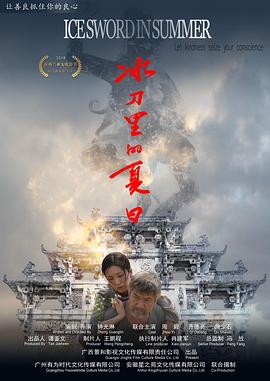
冰刀里的夏日
周毅,齐德亮,曲少石,Shaoshi,Qu
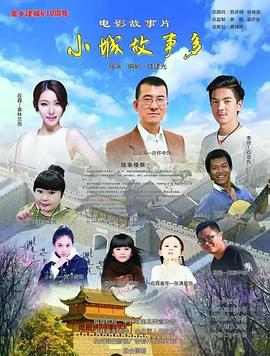
小镇故事多2021
Xuelian,Han,石岛,袁林兰,刘振华
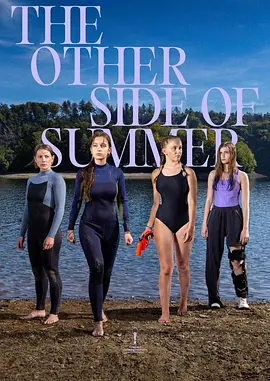
夏日彼岸
The Other Side of Summer
不顺 2021
阿里拉·巴勒,莉碧·巴勒尔,迪伦·阿诺德,特拉维斯·托普,切尔西·阿尔登
你不属于这里
You Don’t Belong Here/No Place for You
最后的曙光2026
Chloé,Sweetlove,费尔南多·林德斯
原野铁汉
原野硬汉/牧野枭境/赫德/男子汉/父子恩仇录
并非为政治而生2025
《不是为政治而生》讲述了一群白俄罗斯妇女挑战该国30年独裁统治的故事。
冥界2026
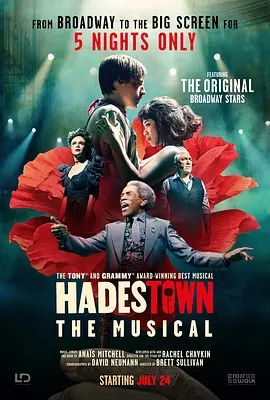
冥界 音乐剧 官摄 / Hadestown: The Musical
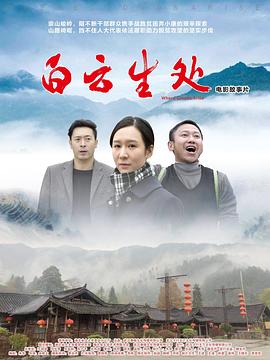
白云生处
林漫,高伟,王晓东,覃登军
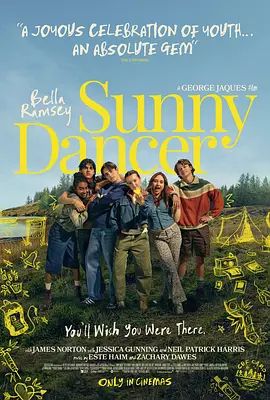
阳光舞者
贝拉·拉姆齐,詹姆斯·诺顿,尼尔·帕特里克·哈里斯,杰西卡·古宁,鲁比·斯托克斯,丹尼尔·奎恩-托伊,凯特·墨菲,厄尔·凯夫,康拉德·汗,贾斯敏·埃尔科克,贾斯敏·埃尔科克,Jasmine,Elcock
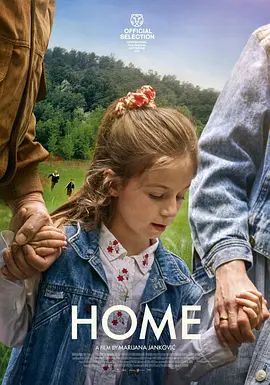
家2026
德建·库克,纳达·萨金
狼域
泰勒·莱普利,Tabitha,Brown
  • 片名:欧洲的某个地方
  • 状态:HD中字
  • 主演:Artúr Somlay Miklós Gábor Zsuzsa Bánki 
  • 导演:Radványi Géza 
  • 年份:1948
  • 地区:其它
  • 类型:剧情 
  • 频道:内详
  • 上映:1948-11-19
  • 语言:其它
  • 更新:2025-01-13 14:37
  • 简介:Somewhere in the remote region, the war ends. In the midst of ruined cities and houses in the streets, in rural hamlets, everywhere where people still live, are children who have lost their homes and parents. Abandoned, hungry, and in rags, defenseless and humiliated, they wander through the world. Hunger drives them. Little streams of orphans merge into a river which rushes forward and submerges everything in its path. The children do not know any feeling; they know only the world of their enemies. They fight, steal, struggle for a mouthful of food, and violence is merely a means to get it. A gang led by Cahoun finds a refuge in an abandoned castle and encounters an old composer who has voluntarily retired into solitude from a world of hatred, treason, and crime. How can they find a common ground, how can they become mutual friends The castle becomes their hiding place but possibly it will also be their first home which they may organize and must defend. But even for this, the price will be very high.  To this simple story, the journalist, writer, poet, scriptwriter, movie director, and film theoretician Béla Balázs applied many years of experience. He and the director Géza Radványi created a work which opened a new postwar chapter in Hungarian film. Surprisingly, this film has not lost any of its impact over the years, especially on a profound philosophical level. That is to say, it is not merely a movie about war; it is not important in what location and in what period of time it takes place. It is a story outside of time about the joyless fate of children who pay dearly for the cruel war games of adults.  At the time it was premiered, the movie was enthusiastically received by the critics. The main roles were taken by streetwise boys of a children's group who created their roles improvisationally in close contact with a few professional actors, and in the children's acting their own fresh experience of war's turmoil appears to be reflected. At the same time, their performance fits admirably into the mosaic of a very complex movie language. Balázs's influence revealed itself, above all, in the introductory sequences an air raid on an amusement park, seen in a montage of dramatic situations evoking the last spasms of war, where, undoubtedly, we discern the influence of classical Soviet cinematography. Shooting, the boy's escape, the locomotive's wheels, the shadows of soldiers with submachine guns, the sound of a whistle—the images are linked together in abrupt sequences in which varying shots and expressive sharp sounds are emphasized. A perfectly planned screenplay avoided all elements of sentimentality, time-worn stereotypes of wronged children, romanticism and cheap simplification. The authors succeeded in bridging the perilous dramatic abyss of the metamorphosis of a children's community. Their telling of the story (the scene of pillaging, the assault on the castle, etc) independently introduced some neorealist elements which, at that time, were being propagated in Italy by De Sica, Rossellini, and other film artists. The rebukes of contemporary critics, who called attention to formalism for its own sake have been forgotten. The masterly art of cameraman Barnabás Hegyi gives vitality to the poetic images. His angle shots of the children, his composition of scenes in the castle interior, are a living document of the times, and underline the atmosphere and the characters of the protagonists. The success of the picture was also enhanced by the musical art of composer Dénes Buday who, in tense situations, inserted the theme of the Marseilaise into the movie's structure, as a motive of community unification, as an expression of friendship and the possibility of understanding.  Valahol Europaban is the first significant postwar Hungarian film. It originated in a relaxed atmosphere, replete with joy and euphoria, and it includes these elements in order to demonstrate the strength of humanism, tolerance, and friendship. It represents a general condemnation of war anywhere in the world, in any form.

关于《欧洲的某个地方》

《欧洲的某个地方》是其它1948年出品的剧情片作品,由Radványi,Géza执导,Artúr,Somlay,Miklós,Gábor,Zsuzsa,Bánki等主演。Somewhere in the remote region, the war ends. In the midst of ruined cities and houses in the streets, in rural hamlets, everywhere where people still live, are。星空影院为您提供《欧洲的某个地方》高清完整版免费在线观看,无需下载安装、打开即看。

常见问题

《欧洲的某个地方》在哪里可以免费观看?

星空影院提供《欧洲的某个地方》高清免费在线观看,支持手机、平板、电脑多端播放,无需下载安装、打开即看。

《欧洲的某个地方》更新到第几集了?

《欧洲的某个地方》目前HD中字,星空影院会第一时间更新最新剧集,建议收藏本页随时观看。

《欧洲的某个地方》讲的是什么内容?

Somewhere in the remote region, the war ends. In the midst of ruined cities and houses in the streets, in rural hamlets, everywhere where people still live, are children who have l

《欧洲的某个地方》都有哪些主演?

《欧洲的某个地方》的主要演员有:Artúr,Somlay,Miklós,Gábor,Zsuzsa,Bánki。

视频
搜索历史
删除
热门搜索
本地记录